
New Hampshire May Experience Winter Fish Kills as Ice Melts


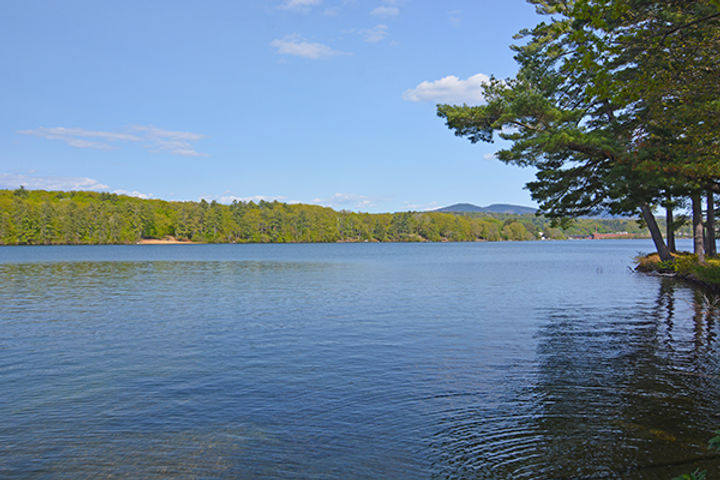
Concord, NH – Fish kills, where large numbers of fish die in a short period of time, are not an uncommon occurrence in the early spring. As the ice recedes, especially from many smaller Granite State waterbodies, there may be dead fish, and most of these occurrences are due to natural processes. Ponds that are shallow, particularly those with relatively high levels of nutrients and aquatic plants, are generally more susceptible. Dead fish may become visible under the ice during late winter ice fishing events or as the ice melts.
Bacteria that require oxygen perform the decomposition of organic matter, such as plants in small ponds and shallow lakes. Snow-covered ice, present from winter through early spring, prevents light penetration to the water column, which impedes photosynthesis by aquatic plants and algae, thus reducing oxygen levels in the water body. When the oxygen content in the water decreases to amounts below those required for fish to survive, a “winter fish kill” may occur. As spring advances and sunlight penetrates the water, oxygen levels will be restored by photosynthesis and wind-driven chop across the water surface shortly after the ice melts. A complete die-off of fish is highly unlikely. Therefore, winter fish kills are typically not a serious problem in most waterbodies because enough fish survive to repopulate the pond or lake.
“Almost all winter fish kills are due to natural processes rather than pollution,” said John Magee, Program Supervisor of Fish and Game’s Inland Fisheries Division. “But we still request that people report these events because the data can be useful to Fish and Game. A brief description of the waterbody, number, sizes, and species of fish found dead if known, along with any observation that you would consider ‘unusual’ are requested. To report a fish kill at any time of the year, provide this information to the Inland Fisheries Division by calling 603-271-2501."
Your experience matters. Please take the Inland Fisheries Division’s angler survey to help inform the management priorities and improved recreational opportunities in the Granite State.
CONTACT:
John Magee: 603-271-2744
Inland Fisheries Division: 603-271-2501


Comments