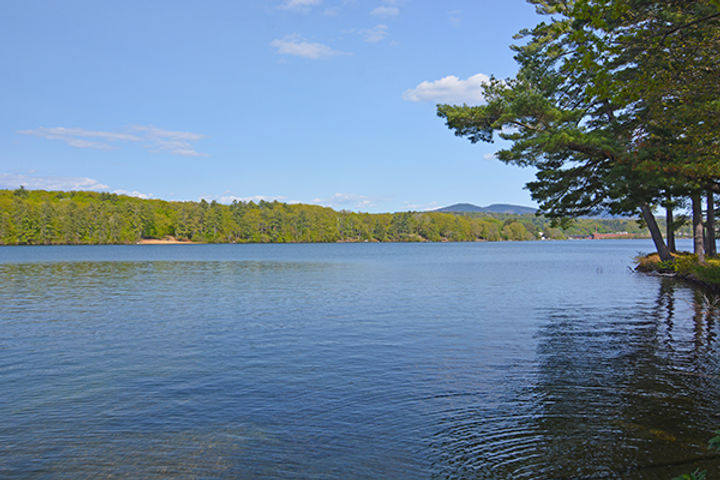

2026 Lake Opechee Drawdown October 12
Lake Opechee is scheduled for a 2026 fall drawdown under the New Hampshire Department of Environmental Services fall lake drawdown program. Water levels are scheduled to be lowered starting on October 12. For shoreline owners, boaters, anglers, and lake users, that means lower water levels for a couple of weeks during the fall season and a good reason to plan ahead.
The drawdown is more than a seasonal change. Lowering the lake at the right time can help protect shorefront structures, support dam maintenance, and reduce the spread of unwanted aquatic plants. One of the biggest benefits is invasive weed control, especially in shallow coves and near-shore areas where plants can take hold quickly.
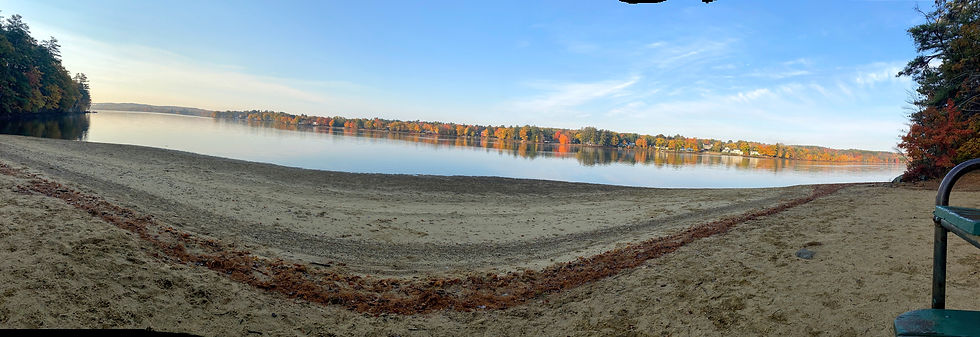
What the 2026 Lake Opechee drawdown means
The state’s posted fall lake drawdown schedule includes Lake Opechee, also called Opechee Bay, for 2026. NH DES posts these schedules so communities can prepare for lower water levels and understand when lake conditions may change.
A drawdown usually means the lake is lowered from its normal operating level for a period of time. The exact timing, target level, and refill conditions are set by the state schedule and can be affected by weather, dam operations, public safety needs, and downstream water conditions.
For Lake Opechee, the key takeaway is simple. Expect water levels to drop during the scheduled fall drawdown period, and make plans before the lake begins to recede.
That planning may include:
Removing boats, docks, lifts, and shoreline equipment before water levels fall
Checking moorings and shallow-water hazards
Avoiding navigation in areas that may become too shallow
Watching exposed shoreland for erosion or unstable sediment
Following state and local guidance on permitted shoreline work
A fall drawdown is not a signal to disturb the lakebed or remove plants without permission. Many shoreline activities require state or local review, especially in protected shoreland areas.
Why fall drawdowns help control invasive weeds
Aquatic invasive plants spread fast because they thrive in the same shallow, calm water that many people enjoy for swimming and boating. Once established, they can crowd out native plants, reduce habitat quality, clog propellers, and make recreation harder.
Fall drawdowns can help because they expose shallow lakebed areas where nuisance plants grow. When the water drops, plant stems, roots, and fragments may be left above the waterline. Cold air, drying, and freezing conditions can stress or kill some exposed plant material.
This process can limit regrowth in certain areas the following season.
It works best when several conditions line up:
The target plants grow in shallow water
The drawdown exposes enough of the infested area
Cold weather arrives while plants are exposed
The exposed lakebed freezes or dries for long enough
The water level does not rise too quickly
Drawdowns are especially useful as part of a larger lake management plan. They are not a guaranteed cure. Invasive plants can survive in deeper water, regrow from remaining roots, or spread from fragments moved by boats and gear.
Still, when used carefully, a drawdown can reduce plant density and slow the spread. It is one of the few tools that works with seasonal weather rather than relying only on mechanical removal or herbicide treatment.

Why timing matters for weed control
The timing of a drawdown matters as much as the amount of water lowered. If a lake is drawn down too early, plants may stay wet and survive. If it is drawn down too late, there may not be enough time for exposed areas to dry or freeze before winter conditions shift.
Fall is often the preferred season because plant growth has slowed, boating activity has dropped, and freezing weather is ahead. That combination gives managers a better chance to reduce unwanted growth in exposed zones.
Weather still plays a major role. A cold, dry fall can increase the effect of a drawdown. A warm, wet fall may reduce it. Snow cover can also insulate exposed sediment and protect plant material from deep freezing. That is why drawdowns are a management tool, not a stand-alone fix.
For a lake like Opechee, the exposed shoreline and shallow bays may respond differently from deeper channels or areas with moving water. Some sections may see stronger plant reduction than others.
Lake managers often look at drawdowns as one part of a broader approach that may include:
Boat ramp inspections
Clean, drain, and dry practices for boats and trailers
Surveys of invasive plant beds
Hand removal in small patches
Diver-assisted removal where appropriate
Public education for shoreline residents and lake users
The 2026 Lake Opechee Drawdown Announced Why Fall Drawdowns Help Control Invasive Weeds topic matters because timing, public awareness, and follow-through all affect how useful the drawdown will be.
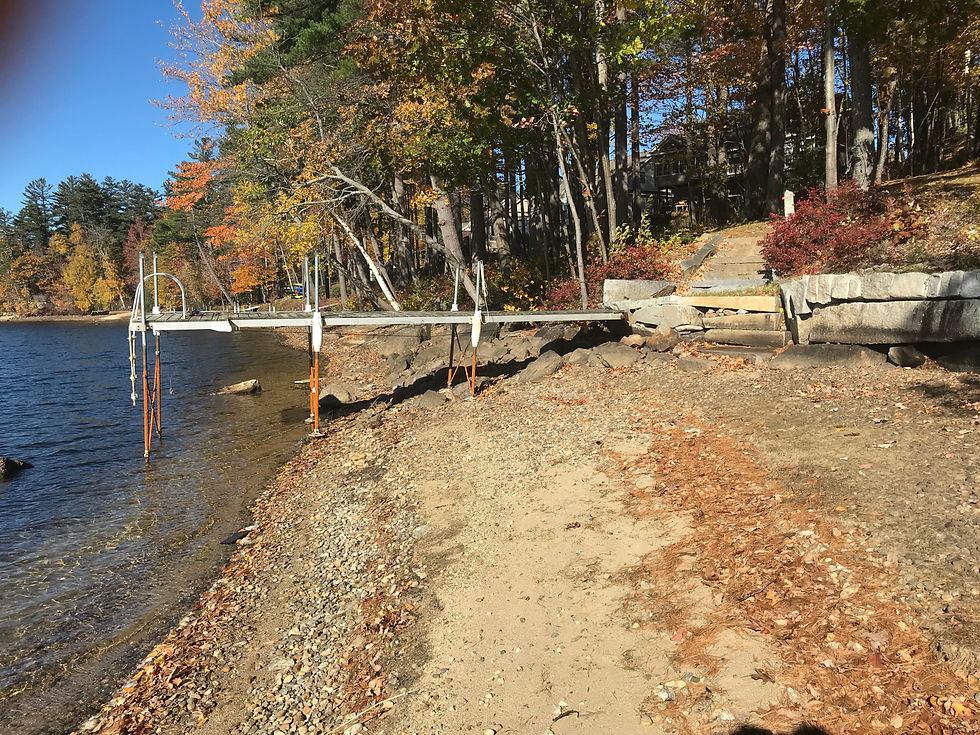
How shorefront owners and lake users can prepare
A scheduled drawdown is much easier to manage when people prepare before the water drops. Waiting until the lake is already low can make dock removal harder and increase the risk of damage to boats or equipment.
Before the drawdown begins, check anything that depends on normal water depth. Boats in shallow slips may bottom out. Floating docks may tilt or pin against rocks. Lines can become too tight as the water falls. Water intake pipes may be exposed.
Practical steps include:
Pulling boats early if the slip or launch area is shallow
Removing seasonal docks and lifts before access becomes difficult
Marking rocks, stumps, or hazards that appear as the water lowers
Keeping heavy equipment off soft exposed lakebed areas
Avoiding plant disturbance that can create floating fragments
Watching for updates from state or local officials
Boaters should be especially careful during changing water levels. Routes that are normally safe may become shallow. Hazards may appear close to the surface. Wakes can also damage exposed or unstable shoreline areas, so slow travel near shore is a smart habit during the drawdown period.
The lower water can be tempting for cleanup projects, but not all work is allowed. Shoreline repairs, dredging, wall work, and plant removal may require permits. When in doubt, check before starting.
What a drawdown cannot do by itself
A fall drawdown can help control invasive weeds, but it cannot remove every invasive plant from a lake. Some plants grow below the drawdown depth. Some survive in wet sediment. Others return from fragments that settle into protected areas.
That is why prevention still matters.
Small plant fragments can hitch a ride on trailers, anchors, fishing gear, paddles, and bilge water. A single fragment can start a new patch if it reaches the right habitat. Every lake user can help reduce that risk by cleaning, draining, and drying equipment before entering or leaving the water.
Drawdowns also need to balance many interests. Lower water can affect docks, wildlife habitat, wetlands, downstream flows, and recreation. State agencies set schedules with those factors in mind.
The best results come when the drawdown, lake residents, boaters, and local groups all work in the same direction.
The takeaway for Lake Opechee in 2026
The 2026 drawdown for Lake Opechee, also known as Opechee Bay, gives the community a seasonal window to reduce pressure from invasive aquatic weeds while also preparing shorefront property for winter.
The most useful steps are simple. Watch the official NH DES fall drawdown schedule for the controlling dates and details. Remove boats and seasonal equipment early. Avoid disturbing exposed lakebed areas. Keep boats and gear clean so invasive fragments do not spread.
A drawdown is most effective when people treat it as part of long-term lake stewardship. Lower water in the fall can expose problem areas, give winter weather a chance to suppress unwanted growth, and help keep Lake Opechee healthier for the seasons ahead.


Comments